

Termites are among the most destructive pests affecting Australian homes. In suburbs such as Bexley, Bexley North, and Kingsgrove, many properties contain timber structures that can become vulnerable if termites are left undetected. Because termites work silently and often remain hidden, homeowners may not realise damage is occurring until repairs become costly.
Termites feed on cellulose found in timber, cardboard, paper, and some building materials. Subterranean termites, one of the most common species, live underground and travel into buildings through concealed mud tunnels.
Moisture is one of the biggest termite attractants. Leaking pipes, poor drainage, damp soil, and blocked gutters increase risk around homes. Gardens or mulch placed against walls can also create favourable conditions.
Common warning signs include:
- Hollow-sounding timber
- Doors or windows sticking unexpectedly
- Mud tubes on walls or foundations
- Bubbling paint surfaces
- Sagging floors
- Swarming winged termites
Many infestations show no visible signs at all, which is why annual termite inspections are strongly recommended.
How to reduce termite risk:
- Fix leaks quickly
- Keep gutters clear
- Store timber away from the house
- Avoid soil touching timber structures
- Maintain ventilation under floors
- Trim dense vegetation near walls
- Schedule routine inspections
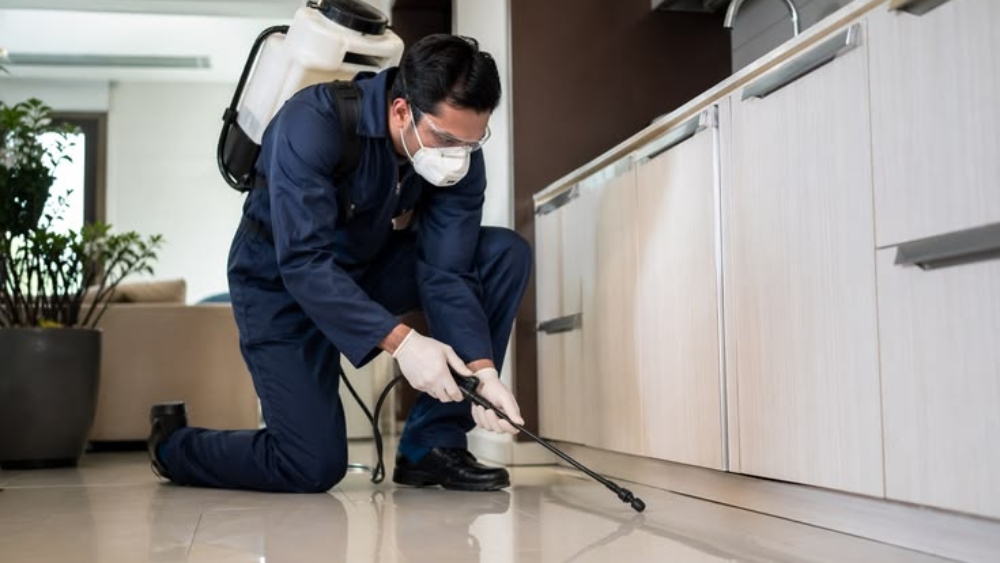
Professional termite management may include inspections, monitoring stations, barriers, or treatment systems depending on the property.
For homeowners in Bexley, Bexley North, and Kingsgrove, prevention is essential. A proactive termite strategy can save thousands in repairs and protect the long-term value of your property.
Leave Your Comment